


FCR
aFRR
Day-Ahead
Positive:
Negative:
Minimum:
Maximum:
Total revenue from today’s frequency containment reserve power per MW (all time slots)
Total revenue from today’s negative and positive automatic frequency restauration reserve power per MW (all time slots)
Todays minimum and maximum German Day-Ahead price from EPEX Spot
Frequency Containment Reserve (FCR)
Frequency Containment Reserve is the fastest control reserve in Germany. The asset must respond within 2 seconds and provide full power after no more than 30 seconds. Frequency Containment Reserve is tendered daily by the transmission system operators (TSOs) in 4-hour blocks. Frequency Containment Reserve must always be provided symmetrically, and only the power offered is remunerated. Offer increments of 1 MW are permitted. A market clearing price is determined, which all suppliers receive. The graph shows the daily prices achieved per time slot stacked on top of each other. Each successful bidder receives the prices shown per MW awarded. The aggregation allows you to switch between daily, weekly, and monthly results.
Automatic Frequency Restoration Reserve (aFRR) – Capacity
Automatich frequency restauration reserve is the second fastest control reserve in Germany. Like frequency containment reserve, automatich frequency restauration reserve is tendered in 4-hour time slots in 1 MW increments. There are separate products for the positive and negative directions, making automatich frequency restauration reserve an asymmetric product. In addition, the power and energy markets are decoupled for automatich frequency restauration reserve. The graph shows only the power market/capacity market, but not the energy market. Automatich frequency restauration reserve is awarded according to the pay-as-bid principle, so there are no uniform prices. Each provider receives the price offered if the provider is awarded according to the merit order list. The graph therefore allows you to switch between the minimum price, the maximum price, and the average price. Furthermore, the prices of the individual time slices are stacked, and the aggregation can be switched between daily, weekly, and monthly.
Automatic Frequency Restoration Reserve (aFRR) – Capacity Bids
Since the pay-as-bid principle applies in the automatic frequency restauration reserve power market, many different bids are accepted at different prices. For this purpose, box plots for the prices per time slice are shown in the graph, sorted by time slice and direction of supply (POS/NEG). The box in the box plot always contains the middle 50% of all bids, while the whiskers show the min and max values. Individual outliers beyond this are not shown.
Wholesale Prices
The Day-Ahead Price (auction price) is the market-clearing price determined on EPEX Spot in the day-ahead auction for each delivery hour (and, where applicable, quarter-hour) of the following day. It is the key reference price for physical power delivery in the European wholesale market.
ID1 is an intraday index published by EPEX Spot. It aggregates transaction prices from the last hour before delivery from the continuous intraday market into a representative benchmark value, reflecting short-term price levels in the intraday market.
IDA1 is the price from the first intraday auction conducted by EPEX Spot prior to delivery. It reflects supply and demand conditions after the day-ahead auction but before continuous intraday trading, providing an additional reference for intraday price formation.
You can select the day with the slider above the figure.
Monthly Average Prices
The chart displays the average day-ahead electricity prices by month. A slider allows users to select the month of interest, dynamically updating the view to highlight monthly trends and seasonal price patterns.
Market Team

Jonas Brucksch
M. Sc. / Project leader
Developer of the Revenue Index and scientist at the Chair of Electrochemical Energy Conversion and Storage System Analysis

Lucas Koltermann
Dr.-Ing. / Head of Department
Project manager of the M5BAT project and scientist at the Chair of Electrochemical Energy Conversion and Storage System Analysis

Daniel Dang
M. Sc. / Scientist
Software developer and scientist at the Chair of Electrochemical Energy Conversion and Storage System Analysis
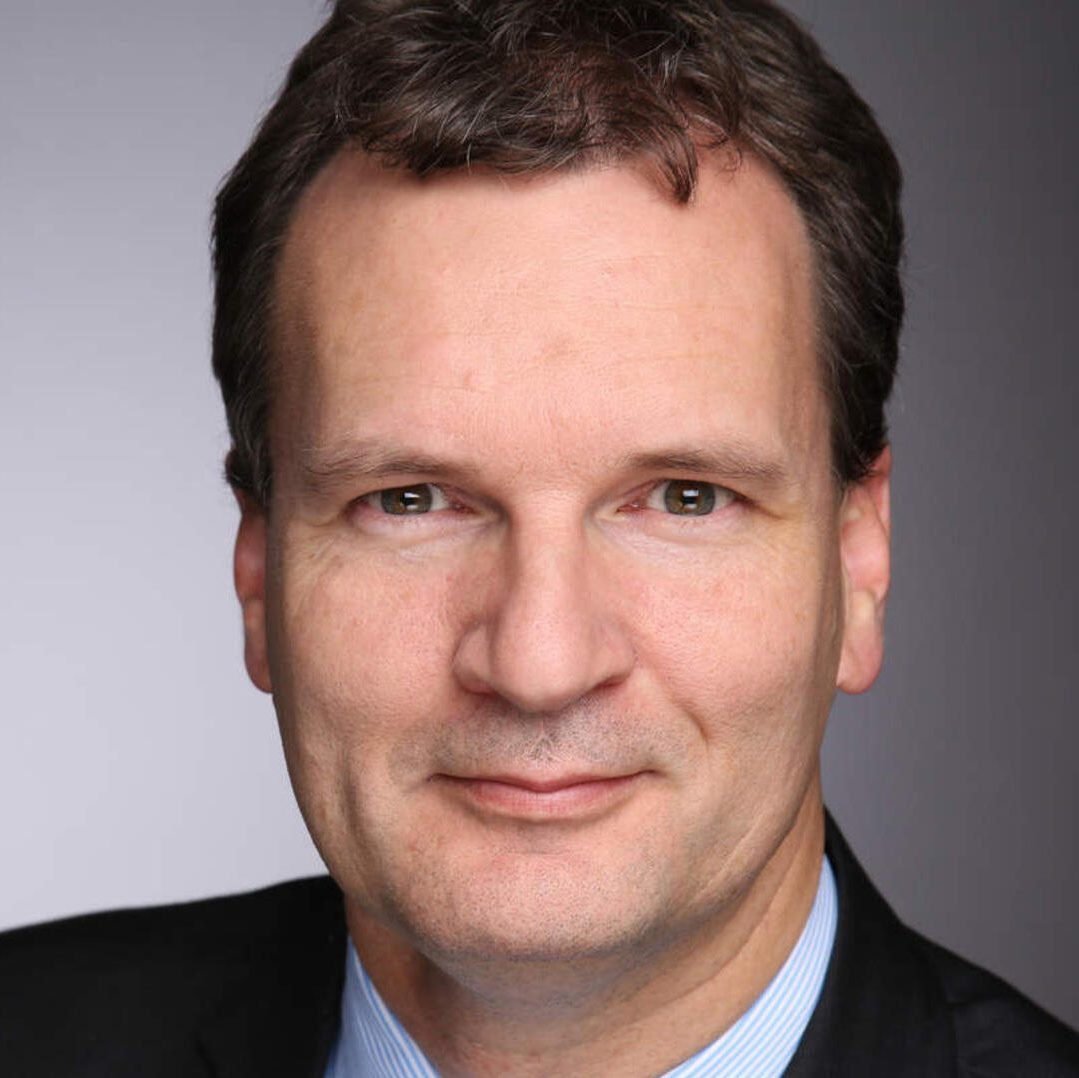
Dirk Uwe Sauer
Prof. Dr. rer. nat. / Director
Professor of Battery and Energy Systems Research and Director of the CARL Research Center